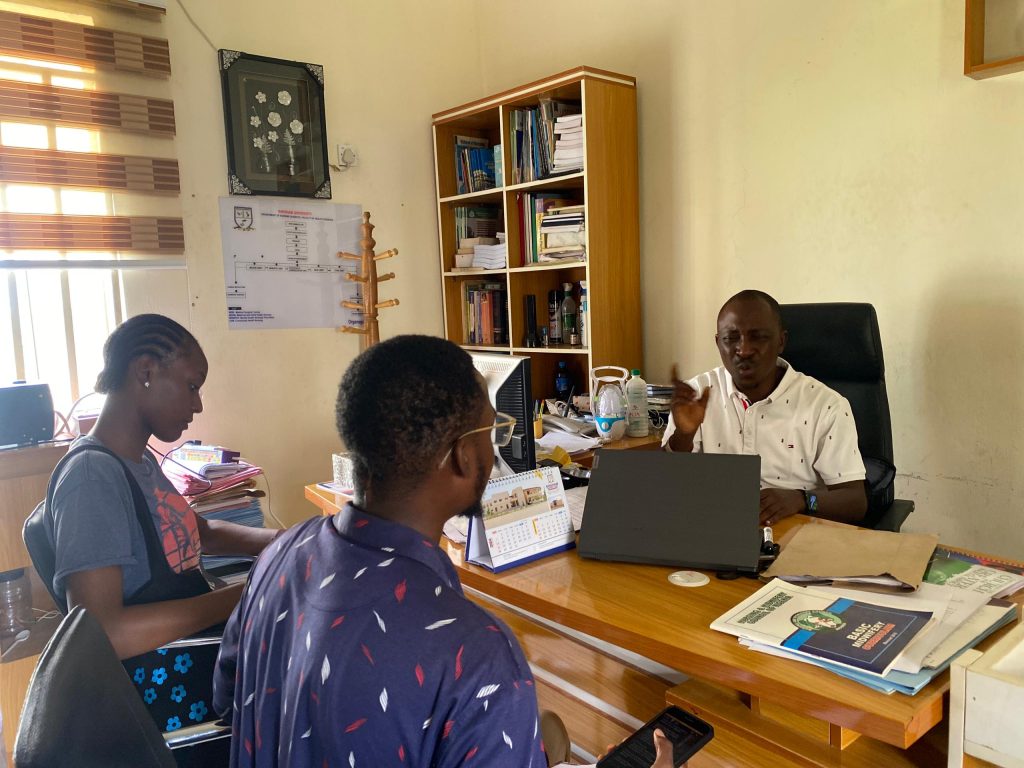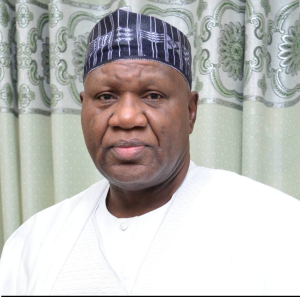
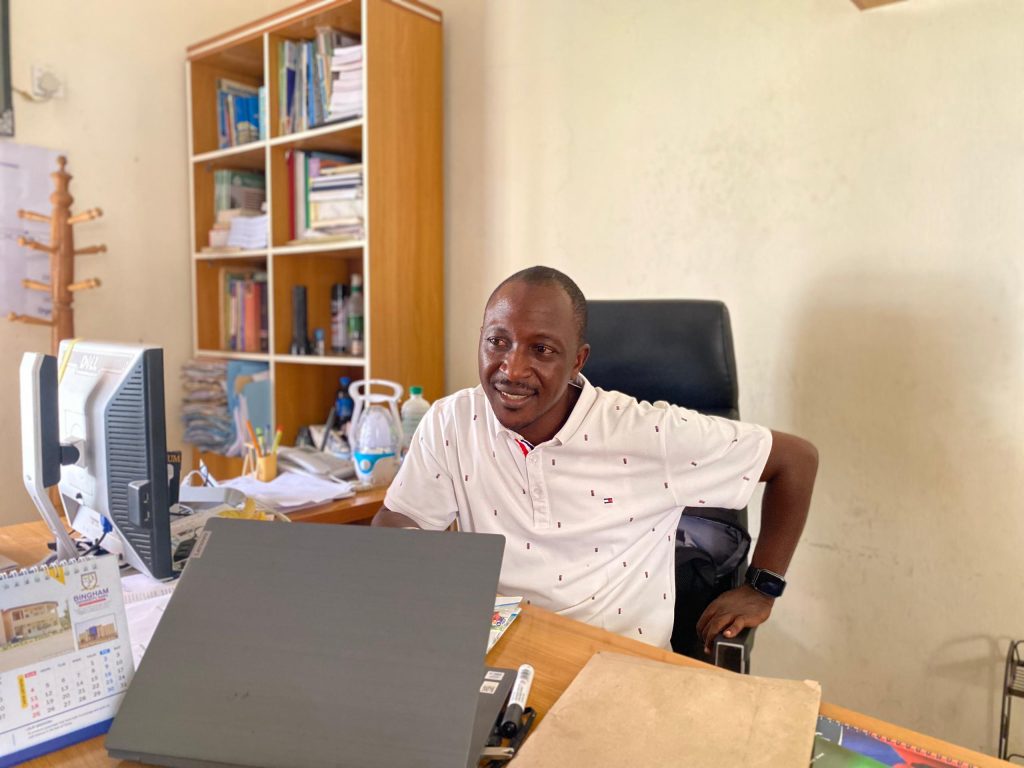
The nursing profession is a vital component of the healthcare system, and Nigeria is no exception. With the increasing demand for quality healthcare services, the role of nurses has become more critical than ever. In this exclusive interview, our correspondentsFajimi Gabriel and Ojone Ruth sat down withAfoi Barry, Head of Department of Nursing at Bingham University, to discuss the intricacies of the nursing profession, the challenges facing nursing education in Nigeria, and the importance of addressing quackery in the profession. Barry also shares his advice to nursing students, cautioning them about the allure of working abroad. Excerpts:
Can you tell us a little about yourself and how you became a nurse?
My name is Afoi Barry and I’m the Head of Department of Nursing. I initially wanted to study Mechanical Engineering at Kaduna Polytechnic, but my dad challenged me to take on a more competitive course. I ended up studying nursing, which I thought would be an easy degree; however, I soon realized that nursing was not as simple as I thought.
What does it take to become a qualified nurse in Nigeria?
To become a qualified nurse in Nigeria, you can either attend a school of nursing and midwifery or study nursing at a university. The school of nursing and midwifery offers a three-year program, after which you can write the registered nurse qualifying exams. If you attend a university, you’ll spend five years studying nursing and then write the registered nurse qualifying exams.
Can you explain the difference between a medical doctor and a nurse?
While both doctors and nurses work together to care for patients, there are distinct differences in their roles and responsibilities. Doctors diagnose patients and prescribe treatment, while nurses implement the treatment plan and care for the patient. Nurses also coordinate with other healthcare professionals, such as physiotherapists and nutritionists, to ensure comprehensive care.
What is being done to address quackery in the nursing profession?
Quackery is a significant issue in the nursing profession in Nigeria. To address this, each state has a Nursing and Midwifery Committee that identifies and reports quackery. The committee works with state equity agencies to close down facilities that employ quacks. Additionally, radio jingles are used to educate the public on how to identify qualified nurses.
What is the penalty for quackery in Nigeria?
The penalty for quackery in Nigeria has been reviewed and increased. While I don’t have the exact details, I know that the penalty now includes imprisonment and a fine of up to N200,000.
What has been your happiest moment as Head of Department of Nursing?
My happiest moments are when our students perform well in their professional exams. We’ve had a 100% pass rate in midwifery exams and consistently high pass rates in other exams.
What advice do you have for nursing students?
My advice to nursing students is to be cautious about the craze of going abroad. While it may seem attractive, working abroad can be tough, and it’s not always as rosy as it’s made out to be. I encourage students to consider staying in Nigeria, where they can make a meaningful contribution to the healthcare system.
Thank you for sharing your insights with us today.
You’re welcome.